There is no single upgrade that suits every home. The right combination depends on the building, the local climate, the way rooms are used and the goals you have for comfort and energy use. Taking time to understand those conditions helps make the options easier to compare.
Begin with the house you have
Look at drafts, insulation, shade, ventilation, heating and cooling habits and the rooms that feel least comfortable. A home energy assessment from a qualified professional can help identify where improvements may have the most value.
Sometimes the best starting point is a straightforward repair or an efficiency improvement rather than a major equipment purchase. Consider how each change fits with the others so the home works as a system.
Explore solar with the roof in mind
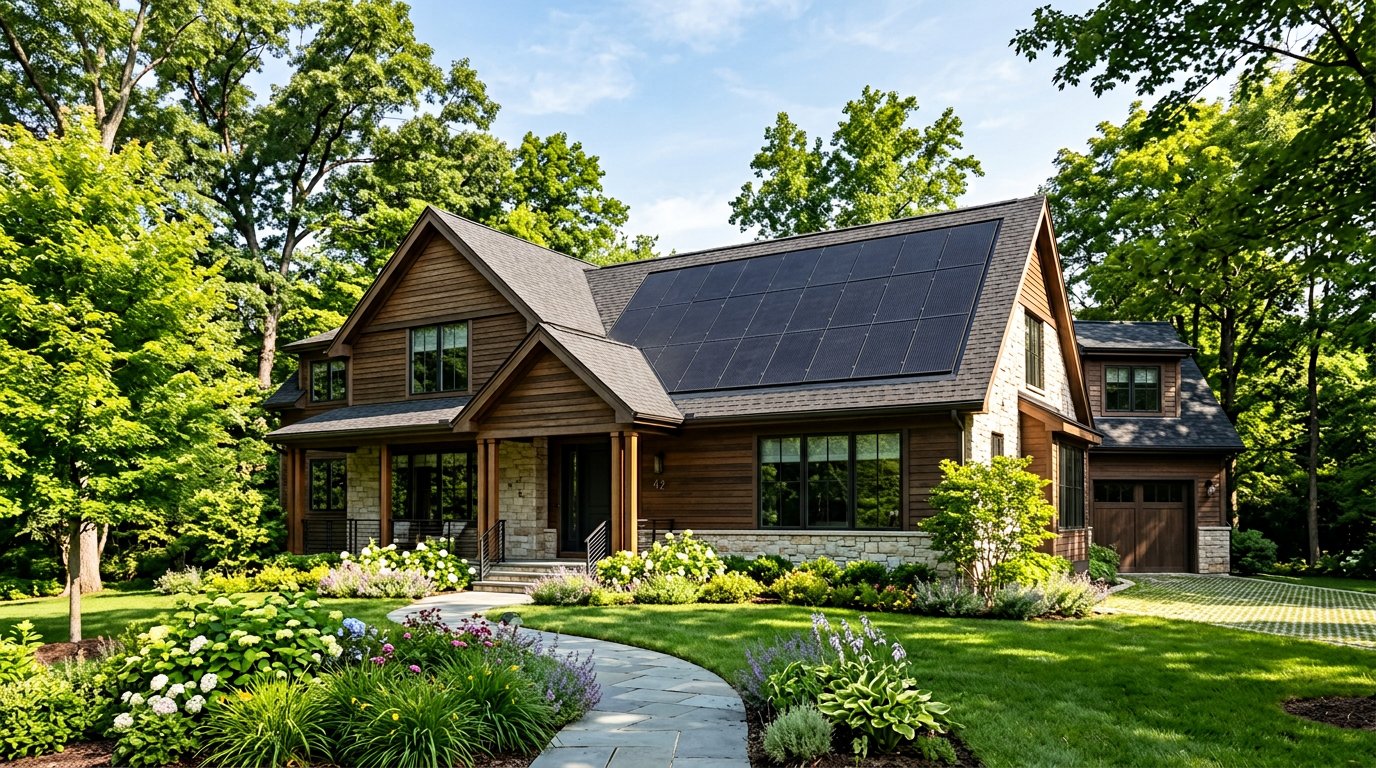
If solar is on your list, ask an installer to assess roof condition, orientation, shading, electrical readiness and any local rules. If the roof may need work, understand whether that should be addressed before panels are installed.
The clearest energy plan starts with your home, not a one-size-fits-all promise.
Compare the full picture
Request a written explanation of equipment, warranties, expected maintenance, installation work and the assumptions behind any savings estimate. Ask how changes to your utility plan, incentives or energy use could affect the proposal. Confirm current details with your utility, local authorities and qualified advisers.
Be cautious with claims that sound guaranteed. Incentives, costs and eligibility can vary by location and change over time, so verify them with official sources before making a decision.
Make comfort part of the goal
A greener home is not only about equipment. Better daylight, thoughtful shading, durable materials and a well-sealed envelope can support comfort in quiet ways. Choose improvements that suit your home and the way you want to live in it.
With clear questions and trusted professional input, energy upgrades can feel less like guesswork and more like a considered part of caring for home.